Comprehending Aluminum Casting: A Comprehensive Overview to Its Applications and benefits
Aluminum casting is a procedure that transforms liquified aluminum right into solid types through various methods. This technique uses noteworthy advantages, such as lightweight strength and corrosion resistance. It finds applications in numerous sectors, mirroring its adaptability. Understanding the details of aluminum casting and its best methods can substantially influence the high quality of the final product. Exploring these elements reveals the real capacity of aluminum casting in modern-day production.
The Basics of Aluminum Casting
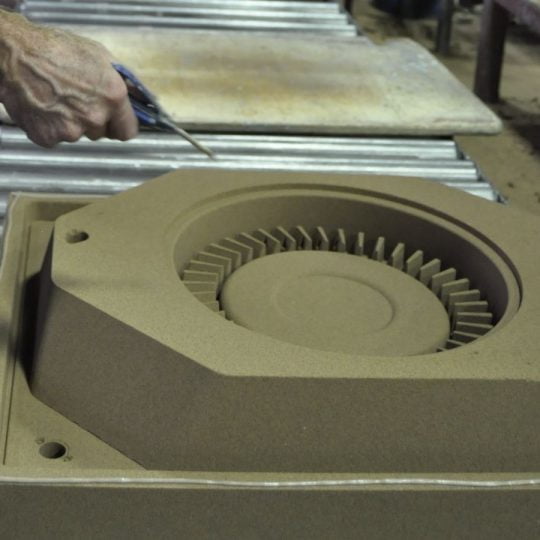
Aluminum casting is a manufacturing process that changes liquified aluminum into strong items via various techniques. This process starts with home heating aluminum till it reaches its melting point, allowing it to stream right into molds. There are a number of methods of aluminum casting, including sand casting, pass away casting, and investment casting, each ideal for various applications based on design complexity and production quantity.
In sand casting, molds are created utilizing sand, supplying versatility for intricate forms. Pass away casting involves forcing liquified aluminum right into a steel mold under high pressure, resulting in repeatable and accurate parts. Financial investment casting, on the other hand, utilizes a wax pattern that is coated with ceramic to develop detailed components.
After the aluminum cools down and strengthens, the molds are gotten rid of, exposing the ended up products. This casting process is indispensable in different markets, including auto, aerospace, and durable goods, making it possible for the development of lightweight and sturdy parts.
Benefits of Aluminum Casting
Among the crucial benefits of aluminum casting depends on its capacity to generate light-weight yet solid elements. This distinct mix makes aluminum an optimal selection for numerous markets, consisting of vehicle, aerospace, and durable goods. The inherent corrosion resistance of aluminum additionally enhances the toughness of the cast components, prolonging their lifespan and minimizing the demand for maintenance.
Furthermore, aluminum casting allows for complicated geometries and elaborate layouts, which can lead to a lot more effective and aesthetically pleasing items. The product's superb thermal and electrical conductivity additionally increases its applications, specifically in electronic devices and heat exchangers.
Aluminum recycling is extremely efficient, adding to environmental sustainability and minimizing manufacturing prices. Generally, the advantages of aluminum casting setting it as a functional and sensible solution for suppliers seeking to optimize efficiency while reducing weight and source usage.
Typical Methods of Aluminum Casting
While different strategies exist for aluminum casting, each method provides distinctive advantages tailored to particular applications. The most usual approaches consist of sand casting, die casting, and financial investment casting.
Sand casting, understood for its versatility, uses sand molds to create complex shapes and appropriates for both huge and little production runs. Pass away casting, on the other hand, uses high-pressure shot of liquified aluminum into steel molds, leading to accurate measurements and smooth surfaces, making it suitable for mass manufacturing.
Financial investment casting, typically referred to as lost-wax casting, entails producing a wax pattern covered with a ceramic covering. Precision aluminum casting. Once the wax is disappeared, molten aluminum is poured right into the cavity, generating elaborate styles Go Here and superb surface area finishes
Each of these approaches plays a vital role in the aluminum casting landscape, using certain advantages that satisfy differing production demands and manufacturing scales.
Applications Across Industries
The convenience of aluminum casting techniques permits a large range of applications throughout various sectors. In the vehicle field, light-weight aluminum elements enhance fuel performance and efficiency, adding to the growing need for electric cars. Aerospace markets make use of aluminum castings for their strength-to-weight ratio, making certain safety and security and toughness in airplane production.
The building sector gain from aluminum casting through architectural components and architectural elements that resist rust and need marginal upkeep. Furthermore, consumer electronic devices suppliers utilize aluminum castings for real estates and structures, balancing aesthetics with performance.
In the marine sector, aluminum castings are preferred for boats and aquatic devices because of their resistance to deep sea corrosion. The clinical area utilizes aluminum spreadings in medical instruments and tools, making certain precision and integrity. In general, aluminum casting's flexibility allows it to learn the facts here now fulfill the diverse demands of multiple industries, making it a crucial manufacturing process.
Finest Practices for Successful Aluminum Casting
Effective aluminum casting depends on a mix of mindful prep work, accurate implementation, and detailed high quality control. Selecting top notch aluminum alloys is necessary, as they directly influence the casting's residential or commercial properties and efficiency. Proper mold and mildew design is imperative, guaranteeing that it accommodates thermal tightening and minimizes flaws.
During the melting procedure, preventing and keeping the right temperature level contamination are crucial to attaining a consistent alloy. Furthermore, utilizing effective putting techniques can enhance the dental filling of molds, reducing the probability of air pockets or incorporations.
Post-casting, applying complete examination approaches, such as visual analyses and non-destructive screening, ensures that issues are recognized early. Additionally, using extensive quality assurance procedures throughout the process helps keep consistency and reliability in the end products. By sticking to these best practices, suppliers can significantly improve the success and effectiveness of their aluminum casting operations.
Frequently Asked Concerns
What Security Procedures Should Be Taken Throughout Aluminum Casting?
Just How Can Problems in Aluminum Castings Be Decreased?
Defects in aluminum castings can be minimized via mindful mold design, proper temperature control, ensuring clean metal, utilizing proper putting methods, and conducting extensive examinations to identify and resolve issues before settling the casting process.

What Is the Environmental Influence of Aluminum Casting?
The environmental impact of aluminum casting consists of energy-intensive procedures, greenhouse gas exhausts, and resource extraction problems. However, innovations in recycling and sustainable techniques can reduce these impacts, promoting a more environmentally friendly strategy to aluminum manufacturing.
Can Aluminum Casting Be Reused?
Yes, aluminum casting can be reused effectively. The recycling procedure needs substantially much less power contrasted to main aluminum production, making it an eco-friendly choice that contributes to source conservation and minimized carbon exhausts.
What Are the Expenses Connected With Aluminum Casting Processes?
Costs related to aluminum casting processes consist of product costs, labor, devices maintenance, power usage, and mold and mildew fabrication. next page These aspects can vary considerably based upon manufacturing scale, intricacy of designs, and details production methods employed.
Aluminum casting is a process that transforms liquified aluminum right into strong forms with numerous strategies. Aluminum casting is a manufacturing process that transforms molten aluminum into strong things via various techniques. While various techniques exist for aluminum casting, each method offers unique benefits tailored to certain applications. The ecological impact of aluminum casting consists of energy-intensive procedures, greenhouse gas emissions, and source removal worries. Costs linked with aluminum casting processes include product expenditures, labor, devices maintenance, energy intake, and mold construction.